

The Valley of Death is a healthcare crisis, but the nonprofit, Music Beats Cancer, has an innovative way to help solve it, and it starts by getting everybody in the same room—or rather, the same concert hall.
As the Biotechnology Innovation Organization (BIO) explains: “The Valley of Death is the difficult path from initial discovery to FDA approval and commercialization.” Approximately 90% of biotech startups fail—often before reaching Series B funding. And this journey can cripple even the most promising innovations. High capital requirements, long development timelines, and the complexity of transitioning innovative science into the clinic are stacked up against scarce funding and regulatory hurdles. This complexity of the biotech landscape contributes to the never-ending challenges faced by thousands of early stage biotechs.
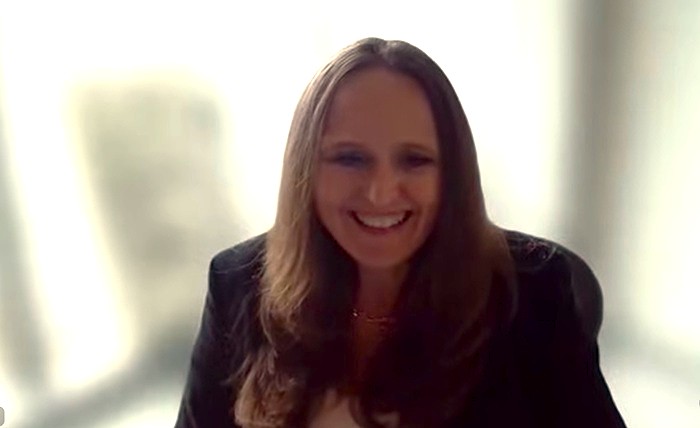
“The public doesn’t know about this Valley of Death problem,” explains Mona Jhaveri, Founder and Director at Music Beats Cancer. “They believe we are looking for the cure. As scientists, we’re relentlessly discovering and making as much scientific progress as possible, but the public doesn’t realize the true systemic breakdown: translating promising science into treatments that will ultimately help patients.”
In response, Music Beats Cancer was developed as a charitable platform incorporating a peer-to-peer model that allows donors to directly and transparently give to biotech innovators working on cancer-fighting solutions.
Bills, bills, bills
“I’m a cancer researcher by training,” Jhaveri explains. “I did my postdoctoral training at the National Cancer Institute (NCI). Eventually, I launched a biotech start-up to help advance innovation that was discovered in our lab at the NCI. That journey made me realize just how difficult the climb was for an early-stage startup. I began to see the capital you needed simply isn’t out there.”
And Jhaveri is far from alone.
The rate of failure for a drug in development sits somewhere around the ninetieth percentile, with a 2021 article in the Journal of Clinical and Translational Sciences noting: “The current success rate of a drug candidate, from the beginning of the clinical trial to receiving marketing approval, is about 10–20%, and it has not changed during the past few decades.” Many promising innovations never make it to the clinic at all. The timeline from entering the clinic to approvals can range from 10–15 years, meaning that drug discovery is both a long and costly process.
“Eventually, we had to shut the company down,” adds Jhaveri, “but there are so many companies like mine and it made me think about the patients that are waiting for solutions that may never get the chance to be realized.”
So it got Jhaveri thinking: What can I do?
Patients are waiting for lifesaving cures. Biotech innovators are working to develop them. Yet, many breakthroughs are deemed too early and too risky to attract investments. Meanwhile moneyed interests gravitate to safer bets with larger, more predictable returns. The result is a system that leaves promising biotechnology stranded and fails the very public it is meant to serve.
“A paradigm shift is needed to bridge the divide; this disconnect was profound,” says Jhaveri. “A new model was needed, one that would enable people who wish to see better outcomes in the war on cancer to directly engage and support biotech innovators, not only to raise critical funding but to increase public understanding of how cures actually make their way to patients.”
Unfortunately, popular culture and academic culture don’t traditionally mix well. Biotech innovators like to talk about the science rather than the promise of the science. Jhaveri explains, meanwhile the public is unclear of the critical role of biotech and why salvaging promising innovations from the valley of death is a must if we are to see better health outcomes.
For the times they are a changin’
So Jhaveri built the model: an online peer-to-peer charitable platform employing musicians to help raise awareness and funds for promising biotech cancer innovations.
“I launched Music Beats Cancer in 2014,” she explains. “I soon realized that the public didn’t know the word biotech. They didn’t know science had to go through commercialization before it would get to them. For decades the social contract has always been “research for the cure” where donations to cancer charities support academic scientists in the hope that, one day, those discoveries will lead to cures available to donors if they themselves are diagnosed. She was also surprised by how reluctant cash-strapped biotech startups were to join the platform and create the written and video content needed to launch a fundraising campaign that would be clear and compelling to a lay audience.
“This was because the idea of mixing biotech with popular culture was so (initially) taboo, but over the years that has changed,” she says. “Now the biotech industry is more comfortable with it.”
It is also undeniable that there has been a notable constriction in funding for biotech companies in recent years. That, coupled with cuts to healthcare research has made fundraising, especially for early stage biotech, particularly difficult—making Music Beats Cancer an attractive life saver in the storm.
And Music Beats Cancer is taking advantage of the opportunities within its platform and network.
“We’re not only forming partnerships with biotech start-ups,” Jhaveri explains. “We’re engaging with other stakeholders such as VC’s, foundations and incubators. The ecosystem is embracing us little by little.”
Music Beats Cancer wants large philanthropic dollars to eventually become downstream biotech investors.
“What’s really interesting is that there is more philanthropic capital available, and many companies have access to wealthy networks, but those individuals don’t often understand the world of biotech because it’s outside their domain,” Jhaveri says. “So even when they have the capacity, they’re hesitant to invest in something that they don’t understand. Our non-profit helps bridge the gap, enabling donors to contribute in ways they may not have considered as investors, while giving them the opportunity to learn and engage and potentially become investors down the road.”
So happy together
So what’s next?
Music Beats Cancer is launching a series of programs designed to raise public awareness of the critical role biotech plays in improving patient outcomes, while also generating funding to support promising ideas in need of early stage capital.
“We are preparing to launch our first ever BreakthroughLive concert at the upcoming BIO in San Diego, featuring breakthrough artists who support the advancement of breakthrough discoveries in the fight against cancer,” Jhaveri notes. “Music Beats Cancer sources these emerging artists from popular culture on programs like The Voice and America’s Got Talent.”
Each artist dedicates songs to cancer-fighting campaigns on the organization’s platform. Every like of the song triggers a dollar donation. In this way, music becomes a kind of currency for fighting cancer, bridging music fans with biotech innovators.
“Even though we started a long time ago, it feels more relevant now than ever,” she concludes. “There is unprecedented philanthropic capital waiting to be activated and a clear shift in the zeitgeist where the worlds of popular culture and ivory tower academia can collaborate. In that convergence there is opportunity to mobilize the public, accelerate breakthroughs and bring lifesaving cures within reach.”
If you are interested in learning more and supporting Music Beat Cancer, you can visit their site at: https://musicbeatscancer.org/