
Patient advocacy is often a long game, so it is important to remember (and celebrate) the home runs as the hits come—and keep on coming.
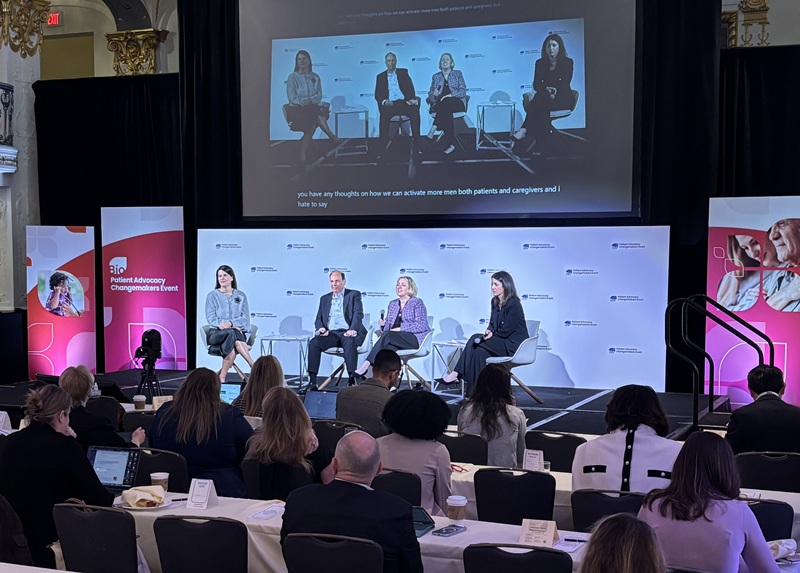
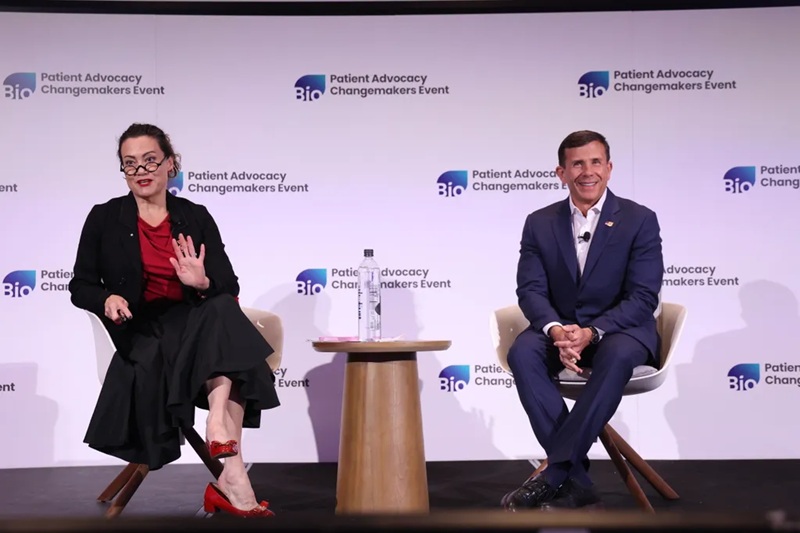
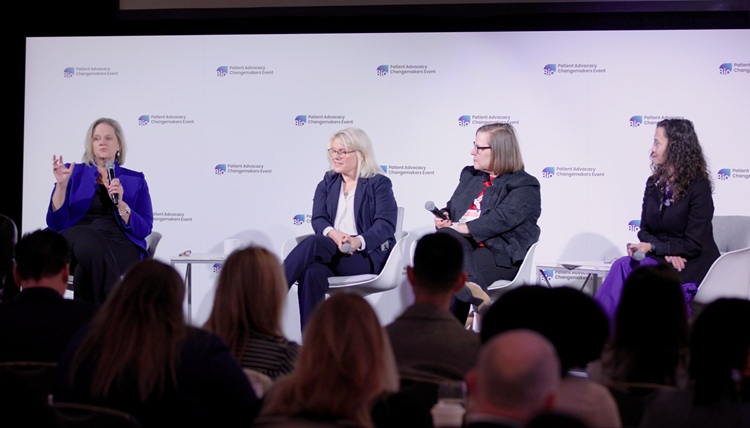
The Biotechnology Innovation Organization (BIO) launched their 15th annual Patient Advocacy Changemakers Event (PACE) in Washington DC on Oct. 22 with a celebration of some of advocacy’s biggest recent wins during their Home Run! Patient Advocates Leading the Way panel.
Michele Oshman, BIO Chief Patient Advocate and SVP, Patient Advocacy Center of Excellence, asked a panel of patient advocates about 2026’s banner achievements.
Hitting it out of the park in 2026
One big area that advocates got a few good hits in was the vaccine space. This is especially important in the wake of the COVID pandemic, which saw some states restricting vaccine access in ways that surprised many public health professionals.
Sue Peschin, MHS, President and CEO at the Alliance for Aging Research explained how, even though her organization works primarily with older populations, when it came to vaccine legislation, partnering with pediatric and chronic disease advocates got policies to home base faster.
“We started something called the Our Best Shot Network to really bring the different coalition leaders together,” Peschin said, “so that folks could coordinate and amplify each other’s opportunities.”
As a result, advocates have been able to co-lead a number of sign-on letters to the Food and Drug Administration (FDA) to highlight issues that would not have otherwise gotten as much attention, particularly when it comes to the Advisory Committee on Immunization Practices (ACIP). The network has also brought in center-right politicians to help sway their colleagues when problematic vaccine policy arises.
“There was an initiative to require prescriptions in order to get a COVID vaccine that was almost up for a vote at ACIP,” said Peschin, “and because of connections that we had made with conservative friends, they contacted ACIP and pulled back on that vote and made sure that that didn’t come up. No matter what you think about COVID vaccines, that would have set a horrible precedent for vaccines overall. So that was a big deal.”
There were wins in the Alzheimer’s community as well.
“We have new blood tests, blood-based biomarker tests,” recalled Erika Sward, Chief Advocacy Officer for the UsAgainstAlzheimer’s. “There are two pieces of legislation that are advancing through the House and the Senate called the ASAP Act and the CHANGE Act, both of which are basic common sense laws that will make sure that people have access to cognitive testing tests and also these blood-based biomarkers for screening once they have been approved by FDA.”
Another example Sward gave started in 2025.
“For fiscal year 2026, the president’s budget proposed a 40% cut to the National Institutes of Health (NIH),” Sward explained. “By the time they finally finished the budget in March of this year, we had a $415 million increase to the NIH, and that is because we all worked together.”
There have also been some groundbreaking wins that were a long time coming, as Annie Kennedy, Chief Mission Officer at the RARE Foundation explained.
“We, as an organization, worked for a number of years with our patient advocacy coalitions and our industry coalitions and crafted what was called the Speeding Therapy Access Today (STAT), which would have established a rare disease center of excellence at the FDA,” Kennedy recalled. “And while that momentum and those hundreds of advocates that were repeatedly going to the Hill for a number of years didn’t yield a center of excellence, it did yield the Rare Disease Innovation Hub at FDA.”
Kennedy continued: “We’ve had wonderful acceptance and championship from both Center for Drug Evaluation and Research (CDER) and the Center for Biologics Evaluation and Research (CBER) when that hub was first established. That has remained. Despite all of the changes and shifts in the different individuals who’ve been leading the agency, there has been unwavering and unflagging support for the hub.”
Moving forward together
So how do advocates reach these wins and then keep on going? Panelists emphasized collaboration.
“The secret sauce for all of us has been in the collaborations that we form,” said Kennedy. “The strength has been in the coming together and understanding where the opportunities are to lean in and where the opportunities are to pivot from what we thought we would be working on this year.”
“While you are at PACE, make a point to meet people that you’ve never met before and get their contact information so that you can follow up with them,” said Sward. “Figure out how you can create new networks that may help you move forward. Find other organizations with whom to lock arms—and ask questions.”
“Don’t be afraid to stop a speaker and say, What the heck does that mean? That’s important,” said Peschin. “That is a great way to both learn more and make deeper connections.”