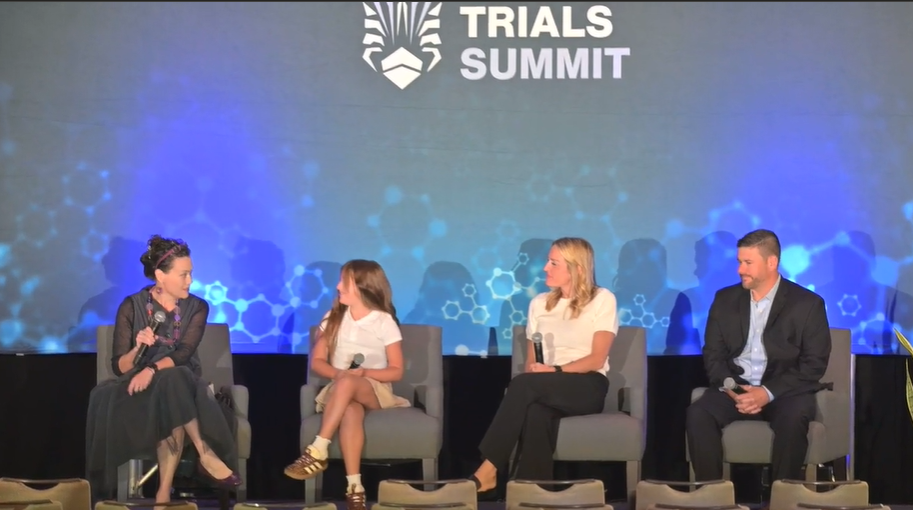


When it comes to enabling new treatments for type 1 diabetes (T1D), Breakthrough T1D is an outstanding example of a patient group driving research and advocacy. By listening to people living with T1D, Breakthrough T1D can understand the innovations that matter most to the community and advocate on their behalf.
T1D is a serious autoimmune condition that occurs when the immune system malfunctions and attacks the insulin-producing beta cells in the pancreas. This means the body can no longer produce insulin, a hormone essential for moving glucose from the blood into cells for energy. Without insulin, blood glucose levels rise, and the body cannot function unless insulin is replaced.
T1D is not caused by diet or lifestyle, and there is currently no cure. People with T1D must take insulin every day and monitor blood glucose levels to live. Developments like insulin pumps and glucose monitors have made T1D more manageable. However, even with these advances, people living with the disease still face significant burdens and life-threatening complications.
According to Breakthrough T1D, the leading global T1D research and advocacy organization, “Despite major progress in T1D management, T1D still results in premature death, complications, and very significant daily burden,” This helps explain why more than 90% of participants in the organization’s survey said they would opt for the latest therapies, even knowing of potential risks.
The paper’s authors stress that, “there is no substitute for consulting people living with or caring for someone with type 1 diabetes when considering new therapies with novel risks and benefits.”
As November National Diabetes Awareness Month (NDAM) shines a spotlight on the realities of life with T1D, Breakthrough T1D seeks to amplify voices of people living with the disease by advocating for greater support for research, investment, efficient and safe regulatory pathways, and improved access for breakthrough therapies. A critical part of this work is ensuring policymakers and regulators understand both the unmet burdens of the disease and the openness of the T1D community to innovative cures.
According to Breakthrough T1D, regulators, insurers, and policymakers evaluating next-generation cell therapies will need to ground their decisions in the lived experiences of people with type 1 diabetes. Understanding how much risk individuals with T1D are willing to accept in exchange for the possibility of a cure is essential to shaping responsible policy and regulatory pathways, the organization says. This perspective is especially important, Breakthrough T1D emphasizes, because substantial unmet needs within the T1D community are not always fully appreciated by decision-makers who do not see the daily realities of the disease.
“People with type one diabetes face enormous daily challenges, even with the best tools available. Their experiences and priorities are not all the same, but many want options that move beyond constant management and relentless vigilance. They understand the risks and the complexities, and they want to help shape the path toward safer and more effective therapies. One of our roles is to make sure decision-makers hear those voices and fully grasp the real burdens that drive the community’s interests and priorities,” says Lynn Starr, Chief Global Advocacy Officer at Breakthrough T1D.
Enabling New Treatments and Expanding Access
Conveying patient demand for cures is especially important as progress in T1D research accelerates. New therapies hold the potential to preserve or restore the body’s ability to produce insulin, potentially ending the dependence on insulin injections for people with T1D.
Disease-modifying therapies (DMTs) slow the progression of T1D by targeting the autoimmune processes that result in the immune system attacking insulin-producing beta cells in the pancreas.
Cell therapies restore the body’s ability to produce insulin by delivering new insulin-producing cells.
The first generation of these therapies is now available for some people, but improvements are still needed. Current cell therapies require lifelong immunosuppression, and both types of therapies can result in adverse effects.
Yet a Breakthrough T1D study makes clear that people with T1D are willing to accept these risks for a chance to halt or reverse their disease:
- 92% of adults would try DMT therapies at diagnosis.
- 70% of caregivers would have considered DMT for the child at diagnosis.
- 100% of respondents said they would try a cell therapy if available.
Project ACT: Accelerating Cell Therapies
To meet this demand for new therapies and ensure they reach people as quickly and safely as possible, Breakthrough T1D launched Project ACT (Accelerate Cell Therapies) to speed the research and development, regulatory approval, and adoption. The initiative addresses the challenges on several levels by:
- Conducting research at Breakthrough T1D’s Centers of Excellence, which bring together top researchers from various institutions to move the science of curing T1D forward.
- Developing a roadmap for the next generations of cell therapies with innovative clinical trial designs that include more people with T1D and accelerate approval with appropriate endpoints.
- Advocating to enable improved regulatory processes that lead to faster development and approval.
- Advocating for expanded insurance coverage of cell therapies.
- Developing clinical care guidelines and treatment protocols to increase adoption by clinicians and people living with T1D.
The goal: dramatically accelerate cell therapies as T1D cures through coordinated work that advances funding, research, development, regulatory processes, access, and adoption simultaneously. In this moment of rapid scientific momentum, Breakthrough T1D’s focus on elevating patient perspectives is emerging as a powerful driver of how future T1D therapies will be developed, evaluated, and delivered.
“The misperception that today’s therapies are good enough is one of the most insidious challenges to ushering in the era of T1D cures,” according to Stephen Karpen, Senior Director of Regulatory Affairs at Breakthrough T1D. “When we fully appreciate the daily experiences of people living with T1D, and use these experiences to guide research and regulatory decisions, we will have clear pathways for new therapies that truly meet these needs.”
Conclusion
The path to curing T1D is accelerating, but progress depends on more than science alone. It requires listening to and acting on the voices of those living with the disease. By prioritizing patient perspectives, advancing innovative therapies and ensuring access, we can transform hope for cures into reality. Breakthrough T1D is committed to driving this change.