
Breakthrough therapies can change the lives of patients who previously had few or no treatments for their conditions, but only if the patients can break through the barriers to accessing those drugs.
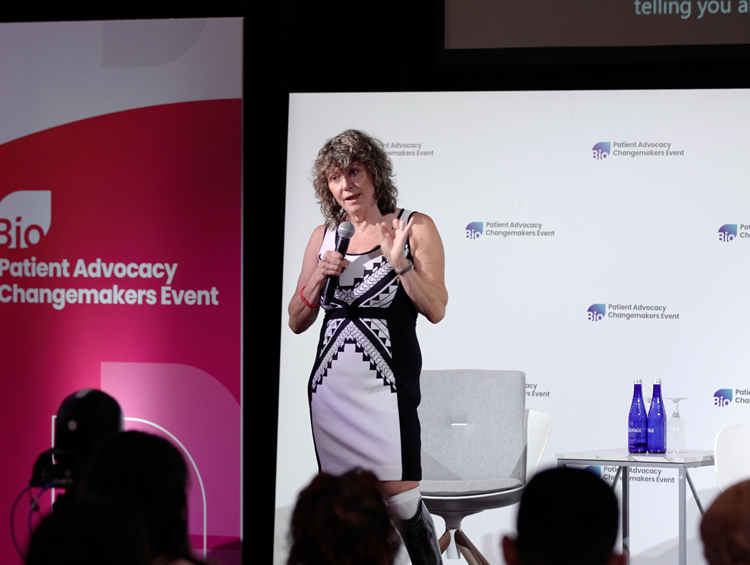
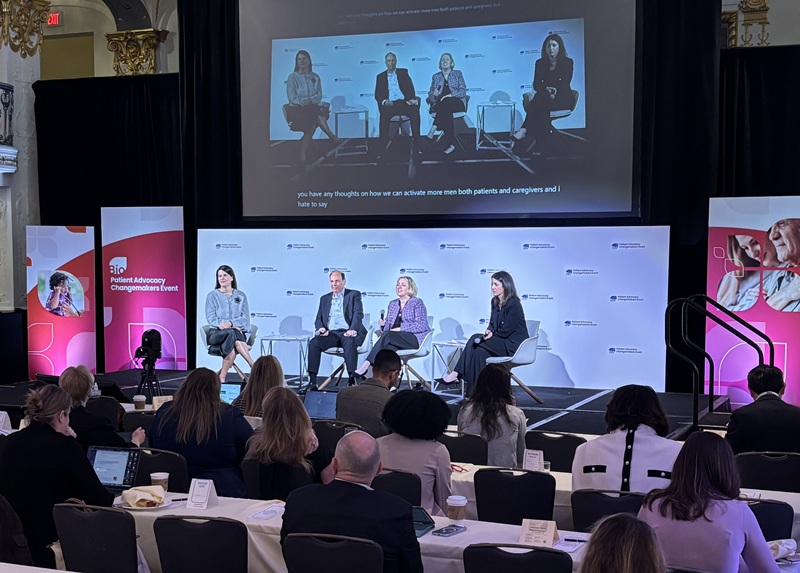
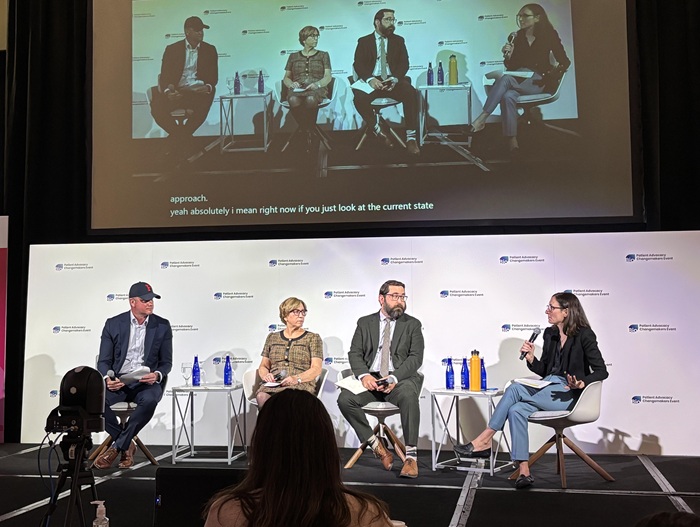
Challenges to access were a primary focus of BIO’s 15th annual Patient Advocacy Changemakers Event, the premier gathering of patients, advocates, drugmakers, and policymakers, held Oct. 22-23 in Washington, DC. There were several expert panels specifically exploring the challenges of overcoming barriers to coverage for drugs patients need.
Below are some of the lessons offered.
Death by a thousand cuts: Utilization management
During a session on interconnected challenges restricting patient access, one utilization management approach panelists discussed was step therapy, which asks patients to fail first on a cheaper drug before getting the drug their doctor prescribed. Panelists said patients feel trapped and frightened when told they can’t get the medicine their doctor recommends.
The social workers at CancerCare can receive a thousand calls a week from such patients, said Kim Czubaruk, VP of Policy at CancerCare.
“But behind each call is a patient or a caregiver that really is probably in the toughest moment of their life,” she added.
The number of people who need help is more than any patient group can handle, said panelist Brian Connell, VP of Federal Affairs at Blood Cancer United. “There are folks who fall through the cracks and don’t get the right treatment. I think that points to the need for broader systemic reform.”
Enabling coverage of new drugs
Another session explored best practices for patient groups seeking to engage payers to ensure coverage for new breakthrough therapies.
Mike Graglia, CEO of Cure SYNGAP1, said the rare neurodevelopmental disease SYNGAP1 has many symptoms—like seizures and disturbed sleep—that can be treated with other drugs, and other symptoms unaddressed by existing treatments—including a tendency to violence. There are genetic treatments for SYNGAP1 in the pipeline, and Graglia’s group wants to make sure they will be covered by insurance.
“We’re going to survey our own community and try to measure the impact—the lost earnings, the divorces, the mental health burden, the burden on siblings, all the things that are really easy to talk about, but really actually hard to measure,” he explained.
When an insurer does not agree to put a new drug in its formulary, patients and their advocates can appeal the decision, sometimes with good effect, panelists said.
“My message for everyone here is, number one: Always appeal, and tell your whole community, always appeal, especially in the age of AI, where we know 80% of these denials are overturned on appeal,” said Melanie Lendnal, SVP of Policy & Advocacy at ALS Association.
“In urgent situations, you can ask for an expedited appeal, and get an answer within 72 hours,” added Monica Bryant, Co-Founder of Triage Cancer. She said few in the patient community are aware of this possibility, and even healthcare professionals are surprised to hear it.
From clinical guidelines to access in the clinic
One tool patients and health care professionals can use as evidence in promoting coverage for a new drug is through clinical guidelines, according to a session moderated by Lenja Wiehe, Director, Global Patient Advocacy Lead at Alexion.
“We all share a responsibility to make sure that scientific progress translates into better care for patients,” Wiehe said. “And clinical guidelines can help us to get there. They turn evolving evidence into recommendations for care; they support patient-clinician conversations; and they provide an important reference point for decisions about care.”
Unfortunately, many rare disease drugs lack clinical guidelines, which generally need to be developed by government agencies and expert panels, said Jamie Sullivan, SVP of Policy and Advocacy at RARE Foundation.
According to one study, “Over 60% of the orphan drugs lacked a clinical guideline to begin with,” Sullivan said. “And so it’s just a lack of another input that payers can use” to improve coverage.
By the numbers
Meaningful data can be used to reduce barriers and advance policy that increases access, according to a session on telling stories with statistics.
Patient surveys can provide the data that helps make meaningful arguments, said Lynn Albizo, Chief Public Policy Officer of the Immune Deficiency Foundation.
“We use those surveys to get our statistics, particularly for our rare disease community. We can get down to specifically how many people with primary immunodeficiency on IG therapy are on Medicare,” she said. “I have tables of those statistics that I use to be able to share data with legislators.”
A compendium of annually updated data from peer-reviewed literature can make a high-impact handout said Robert Egge, Chief Public Policy Officer of the Alzheimer’s Association.
But there are times when numbers can work against you, warned Jennifer Dexter, SVP of Policy and External Affairs at the National Health Council. For example, when seeking Medicare Part D coverage for a rare disease drug, her group sometimes hears that only a small group of people will be served.
“We have to be there saying ‘It’s our people, it’s the people we’re representing who make up that small number.’ And we really have to put a face to it to overcome the small numbers,” she said.